Showing posts with label weather. Show all posts

Wednesday, October 16, 2019

KanDrive improvements will help motorists receive road condition information


Numerous improvements have been made to the Kansas Department of Transportation’s KanDrive website that provides motorists continuously updated conditions of highways across the state.

“The website received more than 2 million views last winter,” said Alan Spicer, Assistant Bureau Chief in Transportation Planning. “It’s important to keep the traveling public notified of current and changing road conditions so they can make informed travel decisions.”

The main page at www.KanDrive.org has been streamlined to make it easier to begin viewing details. Just click on the map to open the tabs at the top of the page, which have been expanded. The first tab, Travel Alerts, gives a comprehensive list of incident closures, road work closures and weather closures.

The other tabs allow motorists to view several maps and include –


Incidents/weather – shows road incidents, flooding, fog, blowing dust, law enforcement;


Winter conditions – this map becomes the main map on the website if any highways are affected by snow or ice;


Construction – shows that are planned, active and have closed a section of highway. Also, people can click on the map location for details on the project, and an estimated start date has been added;


Cameras/signs – shows images and live feeds at certain locations and signs with messages;


Truck parking – shows locations and availability of parking spots for truck drivers.


This information is also available on mobile devices. A map icon has been added to the top of the mobile website to assist users in opening the page.


“Helping motorists receive a variety of information before beginning their journey will give them the knowledge needed to plan their routes or even delay their start time to when the situation improves,” Spicer said. “Being informed of road conditions is an important tool to have when making travel choices.”


Wednesday, June 12, 2019

Flood patrol: How KDOT crews assist with roads affected by high waters


During heavy rainfall events, with even the slightest chance of flooding, KDOT crews are on the lookout to help keep everyone safe by monitoring the roads in Kansas.

Crews keep a close eye on flood-prone roads and areas of concern and they watch for high water that may come onto the roadway.

“Due to the wet winter and wet spring, this year we put many workers on standby during several storms to monitor the flooding situation at numerous locations,” said James Roudybush, Maintenance Engineer in north central Kansas.

When water is only partially over the roadway and it is safe to drive on another part of the road, KDOT crews flag vehicles around the high water so traffic can continue to flow.  If the water becomes too high for traffic to safely go around or the high water around the road has caused unsafe conditions, the roadway will be closed until it is safe to reopen.

“We set up traffic control and try to ensure traffic doesn’t go past the barricades to keep everyone safe,” said Billy Wilson, Highway Maintenance Supervisor in Strong City.
If you come across an area with water over the roadway that is not being controlled, you should call 9-1-1.  Crews will then determine if the road should be closed until water goes down or if part of the road is safe to drive on.

In order to safely reopen the highway, all debris must be removed that may have floated onto it and the roadway surface and any bridges must be inspected for damage.

“After recent flooding we have had to cut up trees with a chainsaw and remove them from bridges or roadways to prevent damage,” Wilson said.

If there is damage to the roadway or bridge, it may have to be repaired before it can be reopened.

Crews work hard to reopen roads after flooding has occurred. Please remember to give the crews room to work and never drive around a barricade.  Remember: if you come across high water, turn around, don’t drown! More rain is in the forecast this weekend. 

Wednesday, April 19, 2017

Severe weather driving tips


That time of year is upon us. Severe weather can strike at any moment. If you must drive through storms, know the safety tips required to reach your destination safely.

Be Prepared:
The bottom line when driving during severe weather is to be prepared for anything. Before you travel check the weather forecast of your entire route.

If you see darkening skies tune into a local radio station or have your passengers look up the weather on their devices.

Driving in Rain:

Wipers on. Headlights on: This is Kansas law. Protect yourself and others around you. Headlights help increase the chances that you will be seen by other drivers.

Turn on Wipers and Keep Windows Clear: This may be a no-brainer, but a surprising number of people drive with windshield wipers that aren’t at their peak performance. It is suggested to get them replaced every 6-12 months. Use your de-frost function or air conditioner to keep your windows clear of fog.

Be Patient:  Take it slower than usual and give extra room to the drivers around you. Wet roads could cause your vehicle to hydroplane or lose traction.

Turn Around Don’t Drown: During severe weather, flash floods may occur. Never try to cross a flooded road way. The water may be deeper than you think and it is dangerous to try to drive over it. Find an alternate route. It only takes a few inches for the current to take you and your vehicle for an unwanted ride.  Abandon your vehicle if it stalls and seek higher ground.

Turn off Cruise Control:  Road conditions during severe weather are inconsistent. You need to be in control, not your vehicle. 

This is a photo that has been circulating social media.
It demonstrates how important it is to use your headlights.
Looking at this picture, you can hardly see the vehicle
approaching the driver., who also shouldn't have been using
his camera while driving. 


Driving during a hailstorm:
Take shelter:  Don’t leave your vehicle unless you can get inside quickly. The hailstones could cause injury.  If you are near an underpass or bridge it is safe to wait out the hail.

Pull over:  if you are not near any shelter, stay in your vehicle and pull to side of the road.

Driving During High Winds:

Watch for Flying Debris: High winds can pick up items that become dangerous weapons if they should hit your or your vehicle.

Be prepared for wind gusts: If you drive a high profile vehicle such as an SUV, bus, or semi truck, you have a higher risk of being affected by high wind gusts. Consider not traveling in these vehicles if you can avoid it.

Driving During a Tornado

This one is easy: Don’t. Never try to outrun a tornado, and don’t drive during one either.  Get out of your car and find shelter. If none can be found, get below the road’s surface and cover your head. A ditch or low area is suggested. Be aware of the water level around you and be on the lookout for flash floods. Never seek shelter in an underpass.

In every weather situation it is best to buckle up - every trip, every time - and pay attention to your environment. 

Check out some of the intense weather that citizens in Hays saw a week ago when a storm system stalled out and created a flash flood and hail situation on the streets, creating an unsafe and slushy situation for a lot of drivers.


Monday, January 30, 2017

New weather satellite, GOES-16 provides potential for improved forecasts

There’s a saying that goes like this:

“Are you unhappy with the way the weather is in Kansas? Just wait five minutes and it will change.”

While that may not be true, there are times when we have all felt frustrated by inaccurate weather forecasts.

The National Oceanic and Atmospheric Administration (NOAA) and NASA are trying to improve our current ability to forecast the weather with the new GOES-16 weather satellite which launched in November 2016.

Less than two months after its launch, the GOES-16 satellite has already sent back images that are out of this world.


According to NOAA’s image gallery, these images, a snapshot of earth on January 15 were taken at the same time. The image on the left is a color-composite full disk image from the GOES-16 satellite. It has five-times greater cover, four times the spatial resolution and three-times the spectral channels than the earlier generation, GOES-13, shown on the right.
The image on the right cannot produce the same “true color” effect without the inclusion of more data, according to the NOAA image gallery.

The website also said that the new GOES-16 technology can provide a full-disk image of the earth every 15 minutes and one of the continental U.S every 5 minutes.

“(The GOES-16) has the ability to target regional areas where severe weather, hurricanes, wildfires, volcanic eruptions or other high-impact environmental phenomena are occurring as often as every 30 seconds.” The website said.

The GOES-16’s photo was taken about 22,300 miles high. North America, South America and the west coast of Africa are in view. This image was captured during the big ice storm that affected parts of Kansas.

While the GOES-16 is still in its testing phase for several months, it has given meteorologists a positive forecast when it comes to predicting weather. More accurate predictions also mean that KDOT crews can treat roads more effectively.

Want more information on the GOES-16? Check out the NOAA image gallery:


Wednesday, December 14, 2016

Winter Ready Wednesdays: Cold weather vehicle care


Snow is in the forecast once again this weekend. Is your vehicle prepared for travel? Extreme temperatures can be especially hard on cars. Here are some winterizing tips for your vehicle.

Make sure your car has enough of the fluids listed below:


Coolant: To keep your water from freezing inside your radiator, make sure you have the correct antifreeze/water ratio. All vehicles are different, check your owner’s manual or mechanic to make sure.

Oil: Make sure your oil is full and clean to avoid sludgy buildup.

Wiper fluid:  Because your windshield can become obstructed by slush and mud, windshield wiper fluid is an important tool during the winter. Check these levels often and use this time to inspect your wipers as well.  

It is a good idea to have back-up containers of these fluids in your vehicle.

Inspect your battery: Cold weather can kill batteries, and could leave you stranded. Inspect your car battery's wires for cracks and breaks. Inspect the connections for any corrosion and if your battery is three years old or more, get it inspected. 

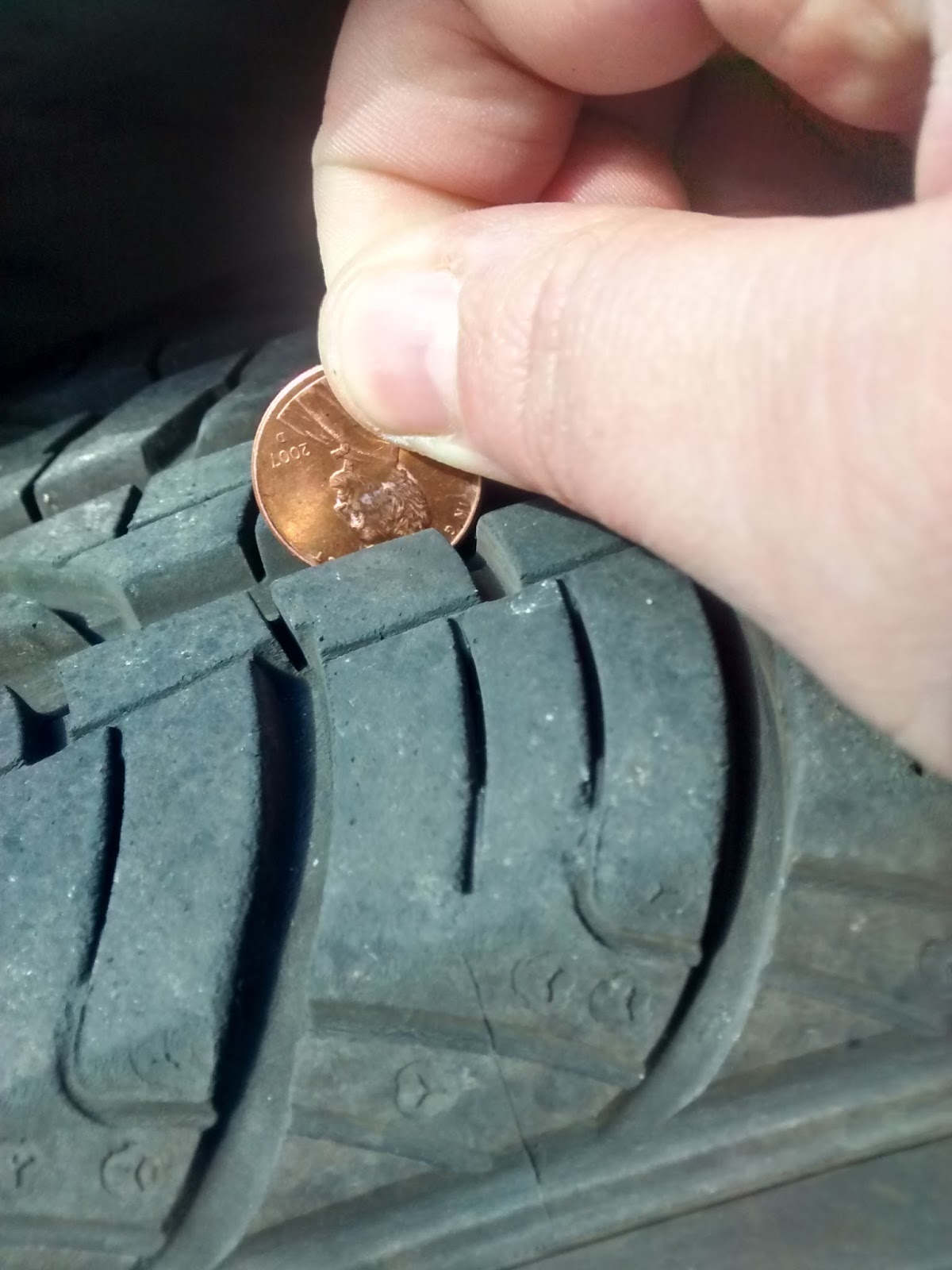
Check your tires: Think of your tires as the sneakers for your car. If your sneakers are worn down you could slip on the ice. The same thing can happen with little or no tread on your tires. A good way to tell if you have plenty of tread is to place a penny in the grooves. If the top of Lincoln’s head is partially covered then you have enough tread.


Another important tire element to remember is tire pressure.  Every 10 degree change in outside temperature can cause your tire’s pressure to gain or lose one PSI.

Fill ‘er up
: It is always wise to keep your gas tank at least half full during the colder months. If your tank is below half, it the chance of a gas line freeze increases. A full gas tank full also ensures that you can stay warmer longer if you become stranded while traveling.

Check your car’s heater and defrost:
You may be able to survive quick trips without a working car heater but if the defrost doesn’t work, driving can become dangerous.  During inclement weather, snow and ice can build up fast on your windshield and visibility can disappear rapidly.  Don’t wait until the last minute to get this fixed.


And finally, before you take to the road, remember that one of the best ways to be prepared is to check the road conditions at Kandrive.org or by dialing 511.